
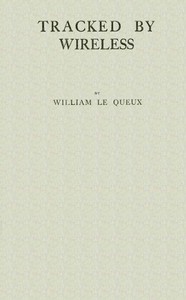
Tracked by Wireless by William Le Queux
Let me set the scene: it's the early 1920s. Wireless radio is this thrilling, slightly terrifying new invention. Messages can fly through the air, invisible and untraceable. In Tracked by Wireless, William Le Queux uses this cutting-edge tech to create a seriously clever mystery.
The Story
Our hero is a British agent named Norman Head. After a routine mission, he finds himself the prime suspect in a murder. The case against him seems airtight because the police have a damning piece of evidence: a wireless message that apparently proves his guilt. The problem? Norman didn't send it. Someone is using the new wireless technology to frame him. To clear his name, he has to dive into the shadowy world of espionage, chasing a ghostly enemy who communicates through the ether. It's a cat-and-mouse game where the mouse can strike from a hidden room miles away.
Why You Should Read It
What grabbed me wasn't just the spy stuff—it's the window into a past where technology felt like magic. Today, we're used to digital footprints. But in 1922, a wireless signal was a phantom. Le Queux captures that genuine public awe and fear perfectly. You feel the frustration of the characters dealing with a crime they can't see or touch. Norman is a solid, determined lead, but the real star is the concept itself. The plot moves at a great clip, full of close calls and coded messages. It's fun to see how 'high-tech' thrills were imagined a century ago.
Final Verdict
This book is a treat for anyone who loves historical crime fiction or early spy novels. It's perfect for fans of old black-and-white mystery films, or readers curious about how people in the past viewed their own new technologies. The writing is of its time, so expect some dated phrases, but the central puzzle is timeless. If you're looking for a quick, engaging read that's part thriller, part history lesson, pick this one up. You'll be surprised how tense a story about radio waves can be.
Legal analysis indicates this work is in the public domain. It serves as a testament to our shared literary heritage.
Elijah Anderson
1 year agoEnjoyed every page.



Deborah Walker
1 year agoAs someone who reads a lot, the arguments are well-supported by credible references. One of the best books I've read this year.