
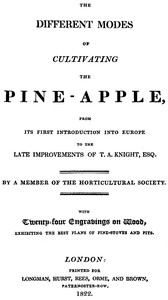
The different modes of cultivating the pine-apple by J. C. Loudon
Okay, let's set the scene. It's early 1800s Britain. Bananas are a rumor, oranges are a Christmas treat, and the pineapple is the absolute pinnacle of luxury. Owning one, let alone growing one, was like having a Ferrari in your driveway. John Claudius Loudon's book is the ultimate guide to this high-stakes horticulture.
The Story
There isn't a plot in the traditional sense. Instead, Loudon acts as a tour guide through the various 'modes'—or methods—of pineapple cultivation. He walks us through the whole saga, from importing the precious 'plants' (often just the spiky top of a fruit) to the final, nerve-wracking harvest. The real drama is in the setups: the 'pinery' (a special hotbed), the 'pit' (a manure-heated trench), and the grand 'pineapple stove,' which was a precursor to the modern greenhouse. Each chapter details the soil mix, the precise heat required (often maintained by hand, day and night), and the constant battle against mold, pests, and the British weather. It's a meticulous, step-by-step account of a very fragile, very expensive miracle.
Why You Should Read It
You should read it because it’s secretly a book about human desire. Loudon isn't just writing about fruit; he's documenting a cultural obsession. His clear, practical prose makes you feel the tension of the grower. Every paragraph underscores how much capital—both financial and social—was tied up in these spiky fruits. It makes you appreciate the sheer effort behind every pineapple that graced a nobleman's table. Reading it, I kept thinking about our own obsessions with rare foods or designer items. The technology has changed, but the impulse hasn't.
Final Verdict
This is a perfect little book for history buffs who like their stories told through everyday objects, for gardeners who want to feel deeply grateful for their local garden center, and for anyone who enjoys a deep dive into a quirky slice of the past. It's not a novel, but it’s just as gripping. You'll never look at a canned pineapple ring the same way again.
This title is part of the public domain archive. Use this text in your own projects freely.










Joshua Lopez
1 year agoCompatible with my e-reader, thanks.