
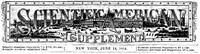
Scientific American Supplement, No. 441, June 14, 1884. by Various
Forget everything you know about modern books. Scientific American Supplement, No. 441 is a different beast. It's a primary source, a single weekly installment from a world without cars, airplanes, or widespread electricity. There's no traditional plot with characters. Instead, the 'story' is the collective endeavor of science in 1884. You flip from page to page and jump continents and topics. One moment you're reading a detailed technical analysis of a new steel-making process in Sheffield, England. The next, you're following an account of a massive earthquake in Colombia, complete with reports on the geological shifts. It's a chaotic, thrilling tour of a planet being actively measured, analyzed, and understood.
Why You Should Read It
This is where the magic happens. Reading this isn't about acquiring outdated facts; it's about feeling the texture of thought from another time. You get a front-row seat to the birth of modern ideas. When they talk about the 'telephone' or 'incandescent lighting,' you can feel their awe at these miracles. You also witness their blind spots and confident errors, which is just as fascinating. It completely reframes history. These aren't dry events in a textbook; they are breaking news for someone in 1884. The passion and precision in each article—whether about astronomy, engineering, or natural disasters—is palpable. It makes you appreciate not just what we know today, but the incredible human effort it took to get here.
Final Verdict
This is not for everyone. If you want a tight narrative, look elsewhere. But if you're a naturally curious person, a history enthusiast, or a science buff, this is a treasure. It's perfect for readers who love podcasts like 99% Invisible or books that explore the history of ideas. It’s a short, concentrated dose of intellectual adrenaline that shows how our ancestors tried to solve the puzzles of their universe. Keep your phone handy to look up the context—it makes the journey even richer. Highly recommended for a unique and mind-expanding afternoon read.
This masterpiece is free from copyright limitations. It serves as a testament to our shared literary heritage.
Joseph Miller
10 months agoI started reading this with a critical mind, the logic behind each conclusion is easy to follow and verify. This adds significant depth to my understanding of the field.