
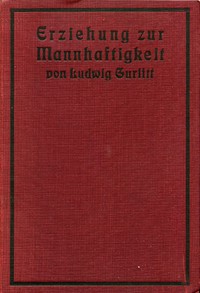
Erziehung zur Mannhaftigkeit by Ludwig Gurlitt
Let's be clear: this isn't a novel. 'Erziehung zur Mannhaftigkeit' is a manifesto. Published in 1906, it's Ludwig Gurlitt's detailed plan for shaping boys into the men he believed Imperial Germany required. He argues that modern education (even for 1906!) is making boys soft. His solution is a return to classical ideals, mixed with a heavy dose of nationalism and physical rigor.
The Story
There's no plot in the traditional sense. Instead, Gurlitt builds his case chapter by chapter. He starts by defining 'Mannhaftigkeit' (manliness) as a combination of courage, willpower, loyalty, and a sense of duty. The rest of the book is his instruction manual. He champions Spartan-like physical training, cold showers, and outdoor adventures to build toughness. He warns against too much 'sentimentality' and art that might weaken the spirit. A huge focus is on cultivating patriotism and a willingness to sacrifice for the fatherland. The 'story' is the argument itself: a passionate, systematic plea for a specific type of character to be forged in the classroom and the home.
Why You Should Read It
Reading this book is like listening to a very earnest, very serious great-grandfather explain the world. You won't agree with him—I certainly didn't on most points—but that's what makes it so valuable. It's a raw, unfiltered look at the social engineering of its time. You see the direct line between these ideas and the values that would lead a generation into World War I. It made me think hard about where our own ideas about gender come from and how they're taught. It's less about judging Gurlitt and more about understanding a mindset that shaped history.
Final Verdict
This book is perfect for history buffs, sociology nerds, and anyone interested in the long conversation about masculinity. It's not a light read, and it requires some historical context to fully appreciate. But if you've ever read a modern article about 'toxic masculinity' and wondered, 'Okay, but what was the original recipe they're arguing against?'—here it is, straight from the source. Approach it as a primary document, not a guide, and you'll find it absolutely fascinating.
This publication is available for unrestricted use. Preserving history for future generations.
William Nguyen
1 year agoThis book was worth my time since the storytelling feels authentic and emotionally grounded. Truly inspiring.
Brian Thomas
7 months agoThis book was worth my time since the clarity of the writing makes this accessible. I learned so much from this.
Elizabeth Lewis
1 year agoEssential reading for students of this field.